


Jit slang meaning, in short: “jit” is slang for a young person or someone acting immature, and it started as Florida street slang before spreading through TikTok and texting. The tone changes a lot depending on who says it and where.
If you saw “jit” in a comment section or a text and felt confused, you’re not alone. This word shows up in memes, group chats, and rap lyrics, and it doesn’t always mean the same thing twice.
This guide breaks down exactly where “jit” came from, how people use it today, and how to tell a friendly jit from an insulting one.
Quick Answer: What Does “Jit” Mean in Slang?
“Jit” is a slang term that usually means a young person, kid, or younger sibling. It can also describe someone, regardless of age, who is acting immature or reckless.
The word’s tone shifts based on context. A cousin calling you “jit” at a family cookout feels completely different from a stranger using it in a heated comment thread.
Jit slang meaning at a glance
| Context | Common Meaning | Typical Tone |
| Florida / Southern slang | Young kid, younger sibling | Casual, sometimes affectionate |
| TikTok comments | Someone acting silly or careless | Playful to mocking |
| Rap lyrics | Young or inexperienced person | Neutral to boastful |
| Group chat teasing | Friend being dramatic or extra | Joking, friendly |
What Does “Jit” Mean on TikTok?
On TikTok, “jit” pops up in comment sections reacting to videos of people, often kids or teens, doing something bold, clumsy, or over-the-top. Commenters write things like “this jit is not serious” to react to the clip.
The word works almost like a caption for the vibe of the video. It signals “this person is young or acting young” without needing more explanation.
Why did “jit” become popular online?
TikTok’s short-form format rewards quick, punchy reactions, and “jit” fits that need perfectly. It’s short, expressive, and instantly recognizable to anyone plugged into internet slang.
Once a few viral videos used the word in comments, algorithms pushed similar phrasing into more feeds. That repetition is what turned a regional word into a nationwide trend.
What Does “Jit” Mean in Florida Slang?

In Florida, especially in cities like Jacksonville and Miami, “jit” has long meant a young kid or teenager, often used the way people elsewhere might say “youngin’.” It’s part of everyday regional vocabulary, not just internet speak.
Older speakers may use it to refer to their own kids, nephews, or neighborhood kids without any negative charge at all.
Florida jit vs. internet jit
The Florida version tends to be more neutral and rooted in real relationships, like family or neighborhood ties. The internet version is more reactive, applied to strangers in videos based purely on their behavior in that clip.
Both versions share the same core idea of youth or immaturity, but the internet version carries more judgment since it’s often aimed at people the speaker doesn’t actually know.
Where Did the Slang Word “Jit” Come From?
Language researchers and slang trackers generally trace “jit” back to African American Vernacular English (AAVE) in the American South, with Florida frequently cited as a strong regional hub for the word. It likely functioned as a shortened, informal variant tied to words describing youth.
Southern hip-hop culture picked up the term over the years, which helped it travel beyond its original neighborhoods and into wider music and media.
How regional slang spreads
Regional slang usually spreads through music, migration, and now social media. A rapper uses a hometown word, a song goes viral, and suddenly listeners across the country are repeating it without knowing its roots.
TikTok sped this process up dramatically. A single trending sound or caption can push a regional term into millions of feeds within days.
How Is “Jit” Used in a Sentence?
Here are a few natural examples of “jit” in everyday use:
- “My little cousin is such a jit, he won’t stop asking questions.”
- “That jit really tried to skateboard down the stairs.”
- “Stop acting like a jit and just apologize.”
Notice that the word can describe an actual child, or an adult being called out for childish behavior. Context decides which meaning applies.
“Jit” vs. “Kid”: What’s the Difference?
“Kid” is a neutral, widely understood word for a young person, with almost no regional flavor. “Jit” carries cultural texture, tied to Southern and internet slang, and it often adds attitude that “kid” doesn’t.
Key differences
- Formality: “Kid” works in professional or neutral settings; “jit” is casual and informal only.
- Tone range: “Kid” is mostly neutral; “jit” can be affectionate, teasing, or dismissive.
- Audience: “Kid” is universally understood; “jit” is understood mainly by younger or internet-savvy audiences.
Can “Jit” Mean “Young Person” or “Little Kid”?
Yes, this is actually the word’s core, original meaning. Before it became an internet reaction word, “jit” simply referred to a young person, often a boy, in casual conversation.
This meaning is still the most common one in everyday Florida and Southern speech, even as TikTok has added new layers on top of it.
Is “Jit” an Insult?
It can be, but it isn’t automatically one. Whether “jit” reads as an insult depends heavily on tone, relationship, and context, similar to how “kid” can be sweet or condescending depending on delivery.
Friendly teasing
Between friends or family, “jit” is often lighthearted. Someone might say “you’re such a jit” while laughing, meaning the person did something silly, not something shameful.
Dismissive usage
In arguments or comment sections, “jit” can be used to belittle someone, implying they’re too young or too immature to be taken seriously. This usage leans negative and is meant to diminish the other person.
Three common tones of “jit”
- Affectionate: used toward younger relatives or close friends.
- Playful: used in banter where nobody is actually offended.
- Dismissive: used to put someone down or question their maturity.
Is “Jit” a Bad Word?
“Jit” is not a slur or a swear word, and platforms don’t treat it as banned language. Still, it can come across as disrespectful depending on how and where it’s used.
Where you should avoid “jit”
Skip it in professional emails, job interviews, customer service chats, or formal writing. It’s also wise to avoid using it toward strangers online, since tone doesn’t always translate well through text, and it can be misread as mocking someone’s age or appearance.
Common Phrases and Expressions With “Jit”
Several set phrases have formed around this word, especially online.
“What Is Jit Doing?”
Used as a reaction to someone doing something unexpected or reckless on video, often typed in disbelief or amusement.
“Jit Really Thought…”
This phrase mocks someone’s confidence after they clearly misjudged a situation, similar to “he really thought that was going to work.”
“This Jit”
A short, punchy way to point at someone in a video or story, often followed by a description of what they did.
“Jit Trippin'”
Means someone is acting irrational, dramatic, or out of line, not necessarily related to age at all.
Jit Meaning in Text Messages and Online Chats
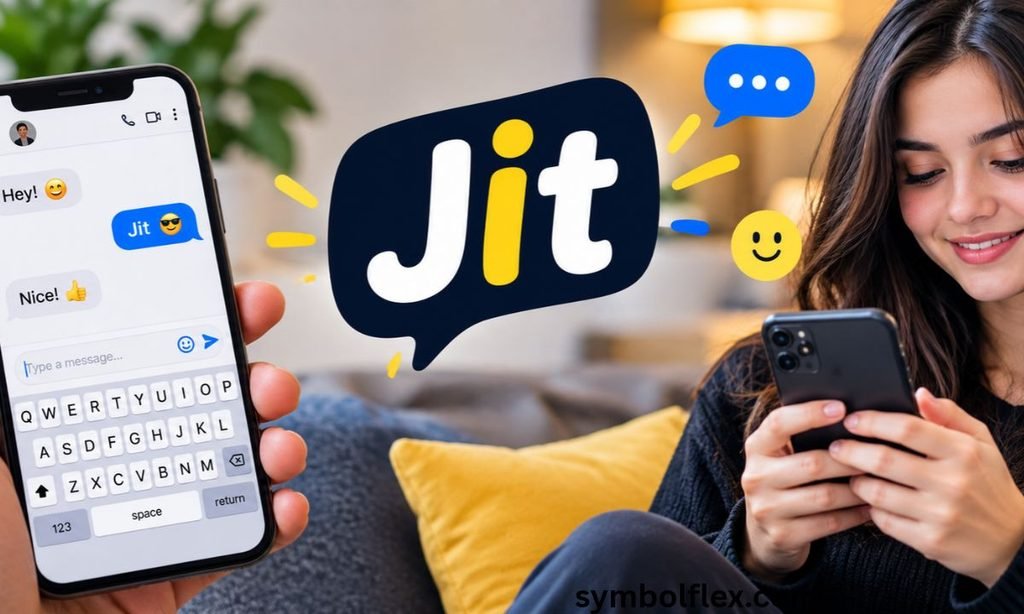
In texting, “jit” usually keeps its playful, casual tone. Friends use it to describe someone being extra, dramatic, or acting younger than their actual age.
Example text conversation
- Friend 1: “Bro just tried to jump the fence and ate it lol”
- Friend 2: “That jit never learns”
This kind of exchange shows the word working as a light insult between people who clearly aren’t actually upset with each other.
Jit in Memes, Gaming, and Internet Culture
In gaming communities, “jit” sometimes describes a younger or less experienced player, especially one making rookie mistakes in a match. It’s similar to calling someone a “noob,” but with more of a youthful spin.
Memes often pair the word with clips of chaotic or clumsy behavior, reinforcing the “acting young or reckless” meaning across platforms beyond just TikTok.
Jit in Rap, Music, and Popular Culture
Southern rappers, particularly from Florida, have used “jit” in lyrics for years to describe young, up-and-coming, or inexperienced people in the streets or the music scene. This usage predates most of its TikTok popularity.
Music remains one of the strongest pipelines for slang, since fans naturally repeat lyrics and phrases from their favorite artists in daily conversation.
Is “Jit” Appropriate in Professional English?
No. “Jit” belongs firmly in casual, spoken, or informal digital communication. Using it in a resume, work email, or client-facing message would read as unprofessional and confusing to most readers.
Bottom line: save it for texts, comments, and conversations with people who already know the slang.
Jit vs. Similar Slang Terms
| Term | Core Meaning | Common Setting |
| Jit | Young person or immature behavior | Florida slang, TikTok, texting |
| Shorty | Young person, or a romantic interest | General slang, music |
| Youngin’ | Young person, often a relative | Southern, older generational slang |
| Noob | Inexperienced person | Gaming communities |
Why Does “Jit” Mean Different Things to Different People?
Slang words rarely hold one fixed meaning once they spread beyond their original community. “Jit” is a clear example of a term shaped by several overlapping influences.
Regional differences
Southern speakers may use “jit” as a neutral, everyday word for a young relative, while people outside that region might only know the more mocking internet version.
Generational differences
Older generations may associate “jit” with childhood nicknames, while younger users mostly know it through memes and comment culture.
Social media
Platforms like TikTok strip away regional context, so viewers often absorb only the reaction-based meaning without ever learning its Southern roots.
Popular culture
Music and viral clips keep reshaping the word, adding new shades of meaning every time it appears in a fresh context.
Context
Ultimately, the surrounding conversation decides the meaning more than the word itself does, which is why reading tone matters so much with “jit.”
Examples of “Jit” in Real-Life Contexts
Talking About a Younger Person
“My jit just started middle school and already thinks he runs the house.”
Teasing a Friend
“You’re being such a jit right now, calm down.”
Reacting to a TikTok Video
“This jit tried to backflip off a trampoline into a pool, wild.”
Describing Someone Acting Foolish
“Only a jit would argue with the referee like that.”
Using Jit in a Florida Setting
“Grew up in Jacksonville, so ‘jit’ was just what we called the little kids on the block.”
Common Misunderstandings About “Jit”
“Jit Always Means Child”
Not true. It frequently describes behavior, not literal age, especially online.
“Jit Is Only Used in Florida”
While it started there, TikTok and music have spread it nationwide and even internationally among English-speaking slang users.
“Jit Is Always an Insult”
As shown earlier, it’s often affectionate or playful, not hostile.
“Jit Is a Swear Word”
It isn’t. It’s casual slang, not profanity, and platforms don’t moderate it as such.
“Everyone on TikTok Uses Jit the Same Way”
Usage varies by community, region, and even individual creator style, so meaning can shift from one comment section to the next.
“Jit Has One Proven Origin”
Language researchers point strongly toward Southern AAVE roots, but slang etymology is rarely documented with total certainty.
A Simple Way to Understand Jit
If you’re unsure what “jit” means in a message you received, ask two quick questions: who said it, and what were they reacting to? Those two clues almost always reveal the intended tone.
Quick interpretation guide
- Said by family or close friends: likely affectionate or teasing.
- Said in a comment about a video: likely describing young or reckless behavior.
- Said during an argument: likely meant to dismiss or belittle.
- Said in music or lyrics: likely referring to youth or inexperience.
Frequently Asked Questions
Is “jit” a real word?
Yes, it’s an established slang term with roots in Southern American English, not something invented purely for the internet.
Can adults be called a jit?
Yes, when the word is describing immature behavior rather than literal age.
Is jit offensive to say to a kid?
Usually not, especially within family or community settings where it’s a familiar, casual nickname.
Where is jit most commonly used?
Florida and other parts of the South originally, with TikTok and texting now spreading it much further.
Does jit have a negative meaning on social media?
It can lean negative when used to mock someone’s behavior, but it’s frequently used playfully as well.
Final Takeaway
The jit slang meaning boils down to two connected ideas: a young person, or someone acting young and reckless. Its tone shifts constantly based on who’s speaking, their relationship to the listener, and the setting the word appears in.
Understanding “jit” means paying attention to context first and the word itself second. Once you catch that habit, decoding any message that uses it becomes almost automatic.
