

Naive meaning in one line: Naive describes a person who trusts too easily or lacks life experience, so they miss risks or hidden motives. It can be a gentle observation or a sharp insult, depending on tone and context.
You have probably seen this word in a group chat, a comment section, or a heated text thread. Someone types “that’s so naive,” and you wonder if you just got roasted.
The naive meaning is simple, but the feeling behind it changes with who says it and where. This guide shows how the word lands in texts and on social media, and how to reply without losing your cool.
What Does Naive Mean?
Naive is an adjective. It describes someone who shows limited experience, easy trust, or a hopeful view that does not match how things really work. You can use it for people, ideas, plans, and even questions.
Think of it as a gap between what someone believes and what is likely true. A naive person is not automatically dumb. They may simply have not seen enough yet.
“That was a naive question” and “She is a naive person” both sound natural. The word points at a belief or a judgment call, and the speaker decides how harsh to be.
Is Naive a Negative Word?
Most of the time, it leans negative. Calling an adult’s decision naive suggests they should have known better. That is why the word stings, especially in front of other people.
Still, it is not always rude. Tone, relationship, and setting move it up or down the scale.
| Situation | Usual tone | Example |
| Said kindly to a close friend | Mild, caring | “You’re a bit naive about landlords. Let me help.” |
| Said during an argument | Insulting | “Wow, you’re so naive.” |
| Said about your past self | Humble | “I was naive back then.” |
| Used in a business review | Critical but professional | “The plan is naive about costs.” |
So is it rude? It turns rude when it targets someone’s intelligence, and it stays fair when it targets a specific belief or plan. Aim at the idea, not the person, and the word gets much safer.
How Context Changes the Naive Meaning
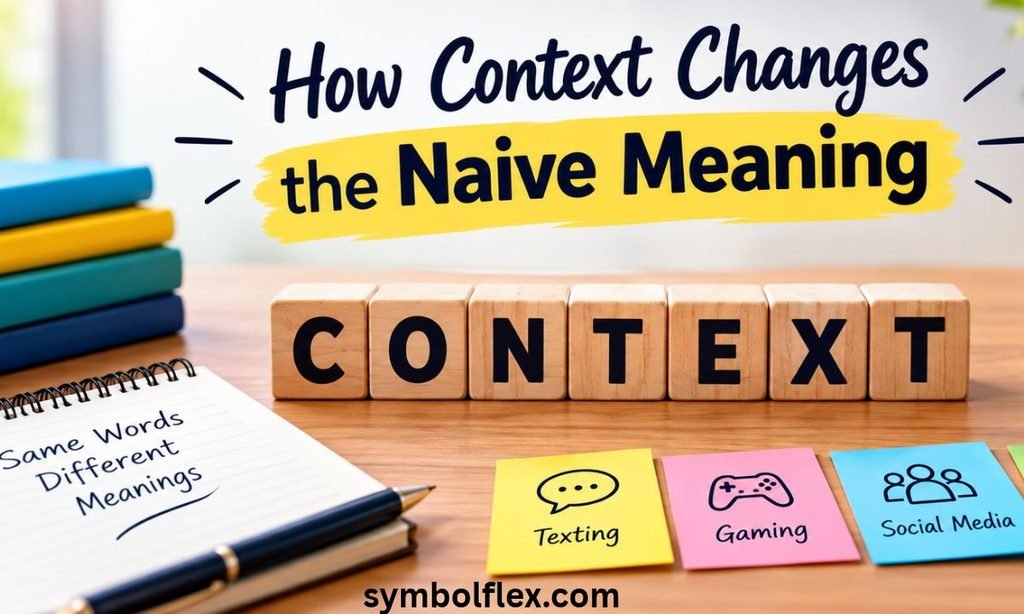
The core idea stays the same, but the flavor shifts. Here are the four uses you will run into most.
Does Naive Mean Trusting Too Easily?
Yes, this is the most common use. A naive person believes what they hear, lends money without a second thought, or assumes everyone has good motives.
This is where digital safety enters the picture. Scammers hunt for people who trust fast, so a little doubt is a healthy habit.
Does Naive Mean Having Unrealistic Expectations?
Yes. Here the person expects a perfect outcome and ignores the obstacles. Someone who thinks a new business will earn millions in month one gets called naive. The word sounds like “overly optimistic,” with a hint of criticism.
Does Naive Mean Lacking Knowledge of a Topic?
Sometimes the word is about missing information, not personality. A first-time renter who has never heard of a security deposit is naive about leases. This use is mild and fixable, since learning cures it.
Can Naive Describe a Fresh, Simple View?
Yes, and this one can even be positive. Newcomers often see things without cynicism, so their questions can expose problems that experts stopped noticing.
Naive Meaning in Text and Chat
Text removes tone of voice. When someone texts “you are naive,” it arrives as cold words on a screen with no smile or pause to soften it. That is why chat etiquette matters so much here. A few habits keep the word from starting a fight:
- Point at the plan. “That plan feels naive about timing” is safer than “you’re naive.”
- Skip the one-word reply. A lone “naive lol” reads as mocking.
- Keep it out of group chats, where an audience can turn one line into a pile-on.
In texting slang, people swap in phrases like “sweet summer child” or “bless your heart,” which carry the same message with a sarcastic wink. They sound light, but they still sting.
One more warning matters. If a stranger in a private chat calls you naive for refusing to share personal photos, click a link, or open adult content you did not ask for, that is pressure, not honesty. A person who respects you will accept your “no” without a label attached.
Naive Meaning on Social Media
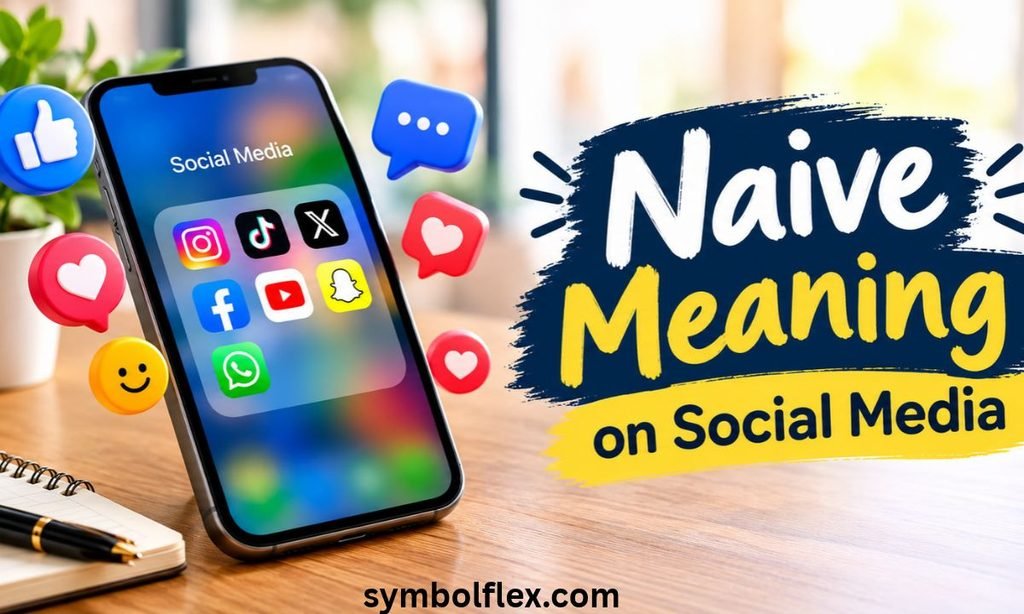
Public posts change the game. On platforms like X, Instagram, TikTok, and Reddit, “naive take” shows up in replies as a quick verdict on someone’s opinion. Short and cutting lines collect likes, so the word spreads fast.
Because strangers read every reply, the word usually signals disagreement, not care. Few people change their mind after being called naive in public. Here is how to handle it well:
- Reply to the point, not the person.
- Mute or block accounts that use the word only to bait you.
- Teach, don’t shame, when a younger user seems naive about privacy settings or online risks.
Real Conversation Examples
These three short scenes show how the same word lands in different places. Each one has a different tone.
How Does Naive Sound Between Friends?
Maya: “I lent Jordan $300 again. He says he’ll pay me Friday.”
Sam: “I love you, but that’s a little naive. He said Friday last time too.”
Sam uses the word with warmth. The friendship cushions it, so it feels like care instead of an attack.
How Does Naive Sound in Dating?
Chris: “He texts me all day but never calls. I’m sure he’s just shy.”
Ava: “Could be. Just don’t be naive about red flags.”
In dating, the word often points to ignored warning signs. Said gently, it works as a nudge. Said sharply, it feels like blame.
How Does Naive Sound at Work?
Manager: “Our launch plan assumes zero delays. That feels naive to me.”
Lead: “Fair point. I’ll add a buffer and send a new timeline by Thursday.”
Work use is direct but focused on a plan, which keeps it professional. Aim it at a coworker (“you are naive”) and trust can drop fast.
Is Naive the Same as Innocent?
No, though they overlap. Innocent is about being free from guilt or harm. Naive is about judgment and experience.
A person can be innocent in a court case and still naive about how the system works. Another person can have a pure heart and still be street smart.
| Feature | Naive | Innocent |
| Core idea | Lacks experience or caution | Free from guilt or bad intent |
| What it judges | Decisions and beliefs | Actions and morals |
| Usual tone | Often critical | Often positive |
How to Reply When Someone Calls You Naive
Your reply sets the tone for what happens next. Pick the style that fits the person and the place.
What Are Some Calm Replies?
Calm replies ask for details. That turns a jab into a real conversation.
- “Which part seems naive to you?”
- “I see it differently, but I’m open to hearing why.”
What Are Some Lighthearted Replies?
Use these with friends when the comment is playful. With a boss or a stranger, a joke can look like you are dodging the point.
- “Guilty. I’m an optimist, what can I say?”
- “Sweet summer child mode: activated.”
What Should You Say When You Disagree?
You do not have to accept the label. Stay firm and stay polite.
- “Calling my view naive doesn’t answer my point. What risk do you see?”
- “I hear you, and I’m going ahead anyway.”
If the person keeps pushing, step back. You can mute a chat or simply stop replying online.
When to Use the Word Naive
The word works best when it is specific. If you can explain why something is naive, it is probably fair.
- Describing a plan, idea, or assumption instead of a person’s worth
- Talking about your own past self, as in “I was naive about money then”
When to Avoid the Word Naive
Some moments call for a different word. Ask a question instead: “What makes you feel sure about this?” opens a door, while “you’re naive” shuts it.
- In the middle of an argument, when feelings run high
- With someone who was just scammed, hurt, or grieving
- When you are guessing based on someone’s age, culture, or background
Common Mistakes About Naive
Even confident speakers slip on this word. Watch for these four errors.
- Thinking naive means stupid. Plenty of smart people are naive outside their field.
- Using it as a “compliment.” “You’re so naive, I love that” can still hurt.
- Mixing it up with “native.” The words look alike, but a native speaker is not a naive speaker.
Naive vs. Similar Words
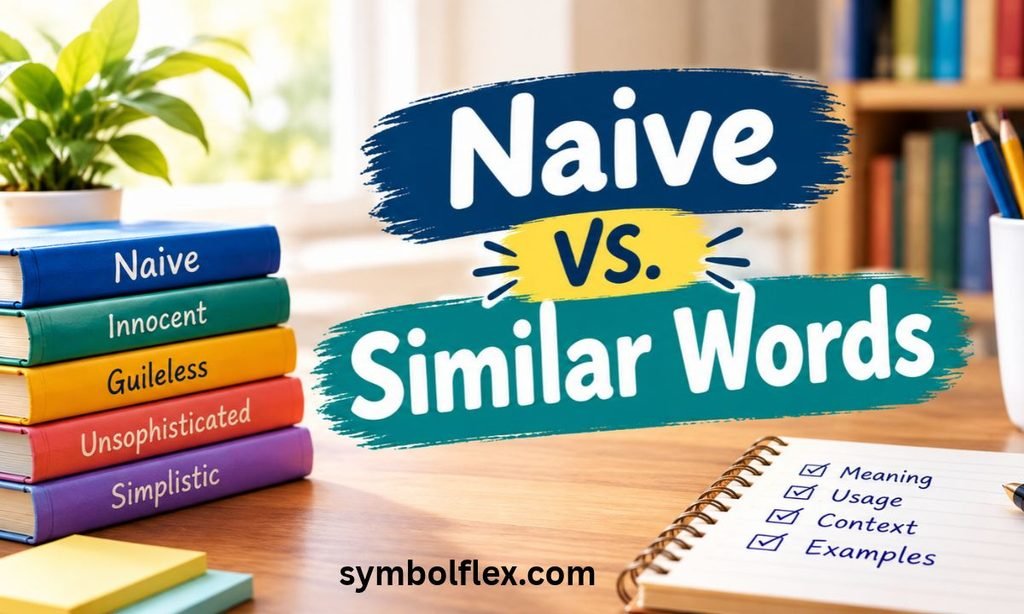
Several words sit close to naive, but each has its own edge. Picking the right one helps you sound fair.
| Word | Meaning | Key difference |
| Gullible | Easily tricked | Focuses on being fooled |
| Clueless | No idea what is happening | Casual and mocking |
| Inexperienced | Lacks practice | Neutral and fair |
| Trusting | Believes in others | Positive, no criticism |
If you want to stay polite, choose inexperienced or trusting. Both describe the same gap without the sting.
Origin and Everyday Usage
English borrowed the word from French in the 1600s. The French term traces back to a Latin root meaning natural or inborn, which hints at something unspoiled by experience. Over time, the meaning slid from “natural” to “too trusting.”
Today you hear it in casual talk, news, and tech. Programmers call a simple, unoptimized method a “naive approach,” and statisticians use “naive Bayes” for a basic prediction model. None of those uses carry an insult.
Quick Recap
- Naive means trusting, inexperienced, or overly hopeful.
- Tone and relationship change how heavy the word feels.
- Use it for plans and past selves. Avoid it in heated or unsafe moments.
Frequently Asked Questions
How Do You Pronounce Naive?
Say “ny-EEV,” with the stress on the second syllable. Both “naive” and “naïve” are correct spellings, and American English usually drops the two dots.
What Is the Opposite of Naive?
Words like savvy, worldly, and street smart work well. Go too far and you land on cynical, which means distrusting almost everyone.
How Can Parents Protect a Naive Teen Online?
Talk openly about scams, pressure, and adult content, and set privacy controls together. Make it clear that saying no to a chat, a link, or a photo request is always allowed.
Final Thoughts
The naive meaning stays simple: someone trusts too easily or has not seen enough of the world yet. The same word can feel like a warm nudge from a friend or a cold jab from a stranger.
Use it with care, especially where tone disappears. When someone aims it at you, choose a reply that fits the moment and protect your boundaries.
