


Limerence is an involuntary, obsessive state of romantic longing where one person takes over your thoughts and your mood depends on their attention.
It is not an official diagnosis, but psychologists use the term for crush feelings that go far beyond normal attraction.The limerence meaning is easy to miss because it looks like a strong crush at first.
You reread one text for an hour, check their profile again and again, and feel your whole day rise or fall with a single reply. If that sounds familiar, you are not alone, and you are not broken.
Limerence Meaning in Simple Words

What Is Limerence?
Limerence is intense romantic longing, usually locked onto one specific person. Your brain treats their attention like a prize, so a small sign of interest feels like winning. Silence, on the other hand, can feel like a crisis.
What Is a Limerent Object?
The person you fixate on is called the limerent object, or LO in online slang. An LO can be a coworker, a friend, an ex, or even a celebrity. Most of the time, they have no idea how deep your feelings run.
Where Did the Word Limerence Come From?
Who Coined the Term Limerence?
Psychologist Dorothy Tennov introduced the word in her 1979 book, Love and Limerence. She interviewed hundreds of people about romantic longing and noticed the same pattern in their stories. She picked a brand-new word so it would not get mixed up with everyday love.
Why Does the Term Matter Today?
Before the word existed, many people thought they were just “too clingy” or “losing it.” A clear name gives you a way to describe what is happening and ask for help. It also lets therapists and support groups speak the same language.
What Are the Signs of Limerence?
Are Intrusive Thoughts a Sign?
Yes. You may think about the person all day, even at work or during dinner. These thoughts arrive uninvited and are hard to switch off.
Does Limerence Create Emotional Dependency?

It often does. A warm reply makes your day, while a short answer can ruin it. Your self-worth starts to depend on how they treat you.
Is Idealization Part of It?
Yes. You notice only their best traits and explain away the flaws. Your mind builds a perfect version of them that no real person could match.
Can Limerence Cause Physical Symptoms?
It can. Your body may react as if it were under real stress. Common signs include:
- A racing heart or shaky hands
- A knotted stomach or lost appetite
- Trouble sleeping
What Behavior Changes Show Up?
You might rewrite a message ten times before sending it or take a different route just to “bump into” them. Checking their online activity becomes a habit. That habit can cross digital safety and privacy lines if it turns into monitoring or stalking.
Why Does It Feel So Hard to Control?
Limerence is involuntary. You can know the crush is unhealthy and still feel pulled toward it. That gap between what you know and what you feel is one of the clearest signals.
How Does It Disrupt Daily Life?
Work, school, and friendships can slip while your attention stays on one person. You may cancel plans in case they text, or lose interest in hobbies you once loved. Over time, your world shrinks around a single thread.
What Are the Stages of Limerence?
Researchers do not agree on a strict timeline, and these stages are not a clinical model. Still, many writers describe a similar path:
| Stage | What Happens |
| 1. Pre-limerence | You meet someone and feel a first spark. |
| 2. Infatuation | Thoughts grow, and you wonder if they like you back. |
| 3. Crystallization | Your mind paints a perfect future and fills every blank with hope. |
| 4. Reciprocity | They show interest, and joy mixes with a fear of losing it. |
| 5. Deterioration | Reality creeps in, and doubts or pressure appear. |
| 6. Post-limerence | The intensity fades, leaving relief, sadness, or a real bond. |
Not everyone hits every stage. Many people stay stuck in stage 2 because the LO never returns their interest.
Limerence vs. Love: What Is the Difference?
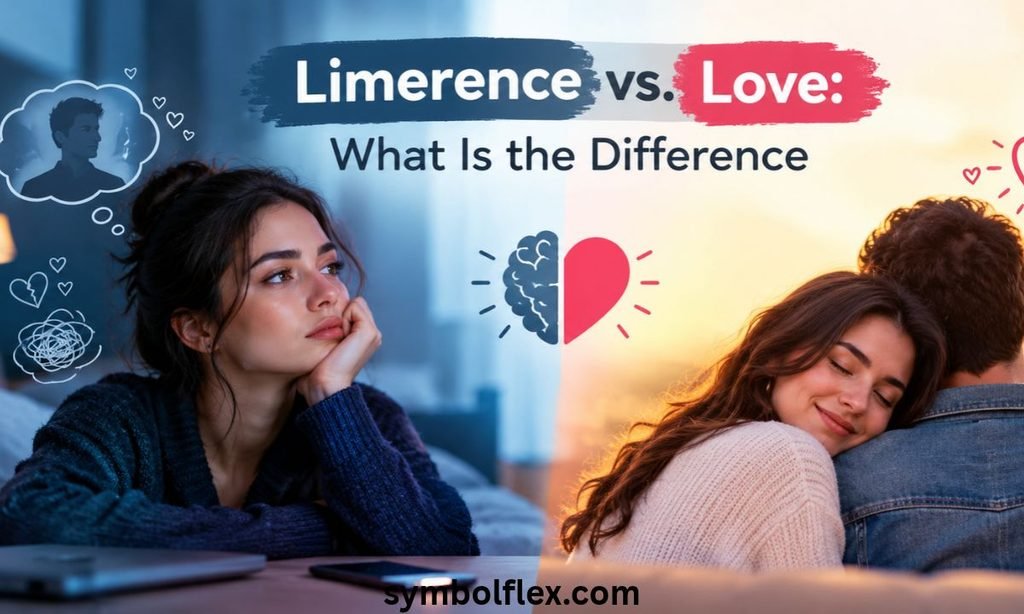
How Is Limerence Different From Love?
| Feature | Limerence | Love |
| Focus | Your own craving for a response | The real person, flaws included |
| Feeling | Anxious highs and lows | Calm and steady trust |
| Need | Must be returned to feel okay | Grows through mutual care |
| Pace | Sudden and intense | Builds over time |
What Do Experts Say?
Tennov argued that limerence and love can exist separately, since limerence is about needing to be needed back.
Many therapists see it as an intense attachment pattern rather than a disorder. Research is still limited, so treat bold claims about it with care.
Can Limerence Turn Into Love?
Sometimes. If your feelings are returned and both of you see each other clearly once the rush calms down, a real bond can grow. That shift takes honest talk and time, not just chemistry.
What Causes Limerence?
What Risk Factors Make Limerence More Likely?
No single cause explains it. These factors show up often:
- Attachment style: People with an anxious style often crave reassurance and may fall harder.
- Unmet emotional needs: Loneliness or boredom can push your mind to invest in one person.
- Biology: Attraction triggers dopamine, the brain’s reward chemical, which makes cravings feel urgent.
- Life changes: Breakups, moves, and high stress open the door to a new fixation.
- Fantasy: A rich imagination fills the gaps about someone you barely know.
Tennov also noted that limerence needs a little hope to survive. Mixed signals from the LO can keep it alive, while a clear “no” often weakens it.
How Is the Word Limerence Used Online?
What Does Limerence Mean on TikTok, X, and Reddit?
The core meaning stays the same, but the tone changes by platform. Here is how it looks:
- TikTok: Creators post short “am I limerent?” videos that describe obsessive crush habits.
- X (Twitter): Users drop quick, relatable posts, often joking about being “limerent again.”
- Reddit: Communities like r/limerence share long personal stories and recovery tips.
- Mental health communities: Forums use it as a shared term for support and progress updates.
What Texting Slang and Chat Etiquette Should You Know?
Common shorthand includes LO for limerent object and NC for no contact. When posting, never name real people or share screenshots of their messages. Doing so protects their privacy and your own digital safety.
What Does Limerence Look Like in Real Life?
These five situations show up again and again. Here is what each one looks like:
- The friend: You rewrite every text to a close friend and feel crushed when they take hours to answer.
- The workplace crush: You plan your day around chance meetings by the coffee machine.
- The ex: You replay old memories and hope every notification is them.
- The online connection: You bond with someone you have never met, and late-night chats feel like a real relationship.
- The celebrity: You follow every post and feel a deep bond with someone who does not know you exist.
The details change, but the pattern is the same. Your attention is tied to someone who may not give you much back.
How to Respond to Limerence
How Can You Cope With Limerence?
Small, steady actions work better than one big push:
- Limit contact: Mute, unfollow, or keep chats short for a while.
- Practice awareness: When a thought spikes, tell yourself, “This is limerence, not a promise.” A few slow breaths help you stay grounded.
- Set boundaries: Pick set times to check messages. Avoid adult content or daydreams that center your LO, since they feed the loop.
- Focus on your goals: Put your energy into hobbies, exercise, and friends.
- Seek therapy: A therapist can help with anxiety and attachment patterns.
How Should You Reply When Your LO Texts You?
Wait a bit before answering and keep your reply short and friendly. Skip late-night, emotional messages that you might regret. Ask yourself if you would send the same text to a regular friend, and if not, pause.
What Mistakes Do People Make About Limerence?
Which Myths Should You Ignore?
- “It’s just a crush”: Crushes stay light and fade fast, while limerence takes over your thoughts.
- “It’s true love”: Strong feelings prove attachment, not compatibility.
- “It will last forever”: It usually fades, especially when you stop feeding it.
- “Only unhealthy people get it”: Anyone can, including happy and stable people.
When Should You Not Use the Word Limerence?
What Are the Common Misuses?
- Casual use: Calling every crush limerence waters down the term for people who truly struggle.
- Diagnosing others: Only a trained professional can assess someone, so never label a friend or partner.
- Mixing it up with erotomania: Erotomania is a delusion that someone is in love with you, while people with limerence usually know the feelings may be one-sided.
How Can Friends and Family Support Someone?
What Should You Say to Someone Who Feels Limerent?
Listen without judging, and never mock their feelings. Gently suggest talking to a therapist if it is hurting their sleep, work, or mood. Set your own limits if you are answering reassurance texts at all hours.
Avoid pushing them to stop cold turkey. Ask what would help this week, whether that is a walk, a distraction, or just company.
Related Terms and NLP Variations
- Limerent: the adjective for someone in this state
- Obsessive crush: the casual way many people describe it
- Unrequited love: longing that is not returned
- Infatuation: a lighter, shorter version of the same pull
- Limerence in psychology: the search phrase for the research angle
Frequently Asked Questions
How Long Does Limerence Last?
It varies. Many sources describe it as lasting from several months to a few years, and it can drag on when the LO stays unpredictable.
Is Limerence a Mental Disorder?
No. It sits outside major diagnostic manuals, but it can overlap with anxiety or obsessive thinking. Get professional help if it hurts your daily life.
Can You Feel Limerence While in a Relationship?
Yes. It can appear toward a third person even when you are happy with your partner. You can choose not to act on it, and talking with a therapist can help.
Does Limerence Feel Good?
Sometimes, at first. The highs feel amazing, but the waiting, doubt, and fear often outweigh the joy.
Conclusion
The limerence meaning comes down to one idea: an obsessive, involuntary longing for one person that runs on hope and uncertainty. Knowing the signs, stages, and causes helps you respond with clarity instead of shame.
Start small today by muting notifications and setting one clear boundary, and share this guide with someone who needs it.
