

WTV meaning, in short: it’s texting slang for “whatever,” used to show casual agreement, mild annoyance, or total indifference depending on the tone of the conversation.
Three letters can carry a friendly shrug or a cold shoulder, and the difference usually comes down to who sent it and what came before it.
You’ve probably seen WTV pop up in a text, a TikTok comment, or a Snapchat reply and wondered what your friend actually meant by it.
This guide breaks down every possible meaning, shows real examples, and helps you reply the right way every time.
What Does WTV Mean?
WTV is simply a shortened spelling of “whatever.” People use it to save time while typing, especially on mobile keyboards where every letter counts. It’s one of the most common pieces of texting slang used across group chats, DMs, and comment sections.
The word itself is neutral. It only becomes rude, flirty, or dismissive based on the tone of the conversation around it. That context is what this article focuses on, since the letters alone don’t tell the whole story.
WTV Slang Meaning in Text
In everyday texting, WTV usually signals one of two things: easygoing agreement or a lack of interest in continuing the topic. A friend texting “wtv works for me” is being flexible about plans. Someone replying “wtv” alone to a serious message is often signaling they’re done talking.
This double meaning is exactly why WTV causes so much confusion. The same three letters can read as chill or cold, and readers have to lean on context clues like punctuation, timing, and the relationship between the two people texting.
How Context Changes the Meaning of WTV
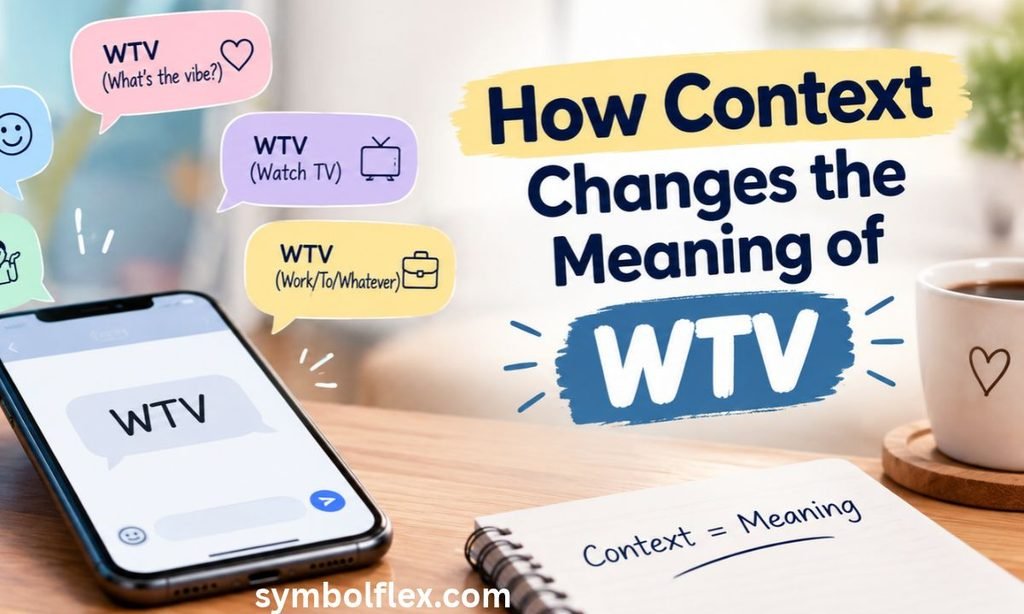
Context is the single biggest factor in decoding WTV meaning. The same word shifts dramatically depending on the situation it’s dropped into. Below are the four most common tones WTV carries in real conversations.
1. Casual Acceptance
Here, WTV means “sure, that works” or “I’m fine either way.” It shows up when someone genuinely doesn’t have a strong preference. Think of it as a shrug in text form, not a rejection.
2. Indifference
This is the classic “I don’t care” version of WTV. It’s neutral rather than angry, often used when a topic just isn’t interesting enough to debate. Indifference is the most literal reading of the word “whatever.”
3. Dismissiveness
When someone wants to end a conversation without explaining why, WTV becomes a wall. It signals “I’m not engaging with this anymore,” which can feel cold if the other person was expecting a real response.
4. Mild Annoyance
WTV can also carry a small edge of irritation, especially after a disagreement. It’s less aggressive than an all-caps reply but still communicates that the sender is a bit frustrated.
WTV Meaning on TikTok, Snapchat, Instagram, and Chats
WTV meaning doesn’t stay the same across every app. Each platform has its own pace, privacy level, and audience, which changes how the word lands.
| Platform | Typical Tone | Why It Differs |
| Text Messages | Personal, direct | One-on-one context makes tone easier to read |
| TikTok / Instagram | Public, quick | Comments are seen by strangers, so WTV often reads as blunt |
| Snapchat | Private, disappearing | Messages vanish, so WTV feels lower-stakes and more casual |
| Group Chats | Mixed, situational | Meaning depends heavily on who’s talking and the chat’s usual vibe |
Text Messages
In one-on-one texts, WTV usually reflects the existing relationship. Close friends can send it without much thought, while a WTV from someone you don’t text often can feel unexpectedly cold.
TikTok and Instagram
On public posts and comments, WTV often shows up as a quick, slightly dismissive reaction to content someone disagrees with or finds unremarkable. Because strangers can see it, it tends to read more bluntly than in private messages.
Snapchat
Since Snapchat messages disappear, WTV here often feels lighter and less permanent. Users may type it quickly without worrying it will be screenshotted or reread later.
Group Chats and Online Communities
In group settings, WTV can defuse a debate or quietly end a side conversation. It’s frequently used to move the group past a disagreement without singling anyone out directly.
Real Conversation Examples
Seeing WTV in action makes the tone shifts much easier to spot.
1. Friends “Pizza or tacos tonight?” “wtv, both sound good lol” This is casual acceptance, no tension involved.
2. Argument “Can we talk about what happened?” “wtv.” This is dismissive, signaling the sender wants to disengage.
3. Group Chat “Should we push the trip to next month?” “wtv works, just lmk the date” This is flexible and easygoing, not annoyed.
Is WTV Rude?
WTV isn’t rude by default, but it can absolutely come across that way. On its own, with no punctuation and no follow-up, it often reads as cold or dismissive, especially in response to a question someone put real thought into.
Adding a bit more context softens it instantly. “Wtv, I’m easy either way” feels friendly, while a bare “wtv.” after an apology can feel like a brush-off. The rudeness usually comes from what’s missing, not the word itself.
Is WTV Flirty?
WTV can be flirty in the right setting, usually paired with playful energy rather than used alone. Between people who are into each other, a teasing “wtv, you know you want to” can carry a light, joking tone.
Outside of that specific dynamic, WTV rarely reads as flirty on its own. It lacks the warmth of typical flirty slang, so most flirty uses lean on surrounding words, emojis, or established chemistry to land the tone.
How to Reply to WTV
How you respond depends on whether the WTV felt casual or cold. Matching the energy usually keeps the conversation moving smoothly.
Friendly Replies
- “Cool, let’s do that then”
- “Haha fair enough”
- “Works for me too”
Funny Replies
- “Wow, tell me how you really feel”
- “That’s the least enthusiastic yes I’ve ever gotten”
- “Big whatever energy today”
When WTV Feels Dismissive
If WTV seems to shut down a real conversation, a gentle check-in works better than matching the coldness. Try something like “seems like you’re annoyed, want to talk about it?” This keeps the door open without forcing the issue.
When to Use WTV
WTV works well in low-stakes, casual moments where flexibility is the point. Deciding on food, confirming plans, or responding to something genuinely minor are all good fits. It saves time and keeps the exchange light.
When to Avoid WTV
Skip WTV during serious conversations, apologies, or anytime someone is clearly upset. It can easily read as dismissive when the other person is looking for real engagement, and it offers no clarity about what you’re actually thinking or feeling.
Common Mistakes About WTV
A lot of confusion around WTV meaning comes from a few repeated mix-ups:
- Assuming it’s always rude. Tone and context matter more than the word itself.
- Using it during emotional talks. It can accidentally shut down someone who needed a real answer.
- Reading too much into a single WTV. One instance rarely defines the whole relationship or mood.
- Ignoring platform differences. A WTV on Snapchat and a WTV in a serious email thread land very differently.
Similar Slang Terms
Several other texting terms share WTV’s casual, low-effort energy:
- IDC – “I don’t care,” more blunt than WTV
- IDK – “I don’t know,” used for uncertainty rather than indifference
- NVM – “Never mind,” signals dropping the topic entirely
- K – A short, sometimes cold way to acknowledge a message
- Meh – An expression of mild disinterest, similar in spirit to WTV
WTV Meaning: Quick Recap
WTV stands for “whatever” and shifts between casual acceptance, indifference, dismissiveness, and mild annoyance depending on context. Platform, punctuation, and the relationship between texters all shape how it should be read. When in doubt, look at what came before the WTV, not just the word itself.
Frequently Asked Questions
What does WTV mean in a text?
It’s short for “whatever,” used to show a casual or indifferent response to something.
Is WTV the same as IDC?
They’re similar, but IDC (“I don’t care”) usually feels more blunt, while WTV can also mean easygoing flexibility.
Why do people use WTV instead of typing whatever?
It’s faster to type and has become standard shorthand across texting and social apps.
Can WTV mean someone is upset?
Yes, especially when it’s sent alone with no punctuation after a serious message.
Is it okay to send WTV to a partner?
It’s fine for casual decisions, but it’s best avoided during emotional or important conversations.
Final Thoughts
WTV meaning always comes back to context. The same three letters can mean “sure, I’m flexible” or “I’m done with this conversation,” and reading the situation correctly is the real skill here.
Pay attention to tone, platform, and what led up to the message, and WTV becomes easy to decode every time.
