

WTV meaning in text is simple: it’s short for “whatever,” and people use it to sound casual, unbothered, or ready to move on from a topic.
The tricky part is tone. The same three letters can mean “you choose, I’m easy” or “I’m annoyed and done talking,” depending on the conversation around it.
This guide breaks down every meaning, every platform quirk, and exactly how to reply when someone sends it to you.
What Does WTV Stand For?
WTV stands for whatever. It’s a keyboard shortcut people use when they don’t want to type out the full word, especially in fast-moving chats where speed matters more than spelling everything out.
You’ll see it written lowercase most of the time. Capitalization doesn’t change the meaning, but it can change how loud or blunt the message feels.
Why Do People Use WTV?
People reach for WTV because it does a lot of work in three letters. It can signal that someone:
- Doesn’t have a strong opinion on the topic
- Wants to end a small disagreement without more back and forth
- Is fine going along with whatever the group decides
- Is mildly annoyed but doesn’t want to make a bigger deal of it
- Is simply typing fast and doesn’t feel like spelling out a full sentence
The Most Common Meanings of WTV
WTV Means “Whatever, You Choose”
In a lot of casual texts, WTV is just a relaxed way of saying “I don’t have a preference, pick whatever works.” It’s low stakes and friendly.
WTV Means “I Don’t Care”
Sometimes WTV is a shortcut for genuine indifference. The person isn’t upset, they simply don’t have strong feelings about the outcome either way.
WTV Means “It Doesn’t Matter”
This version shows up when someone wants to close a topic because it’s not worth more discussion. It’s less about caring and more about moving on.
WTV Can Signal “I’m Done Arguing”
During a disagreement, WTV often means the person is checking out of the conversation. It’s a way to stop debating without saying “I give up” outright.
WTV Can Show Mild Annoyance
A short, standalone “wtv” with no punctuation or explanation can read as cold or irritated. The lack of extra words is often the tell.
WTV Meaning in Different Contexts
The same word shifts meaning depending on where it shows up. Here’s how context changes the read.
| Context | Likely Meaning |
| Casual one-on-one text | Easygoing, low-stakes agreement |
| Middle of an argument | Frustration or wanting to stop talking |
| Group chat planning | Genuine flexibility about the plan |
| Comment section | Dismissiveness toward the post or another comment |
WTV in a Casual Text
Between friends who text constantly, WTV usually carries zero weight. It’s filler, not a statement.
WTV During an Argument
Here it often functions as an exit line. The person is signaling they’re stepping back from the disagreement, sometimes calmly and sometimes not.
WTV in a Group Chat
When plans are being made, WTV usually just means the person is flexible. “Pizza or tacos?” “wtv” almost always means either is fine.
WTV in a Comment
On social posts, WTV can come across more dismissive since there’s no ongoing relationship or tone history to soften it.
WTV Meaning on Different Platforms
Most guides treat every app the same, but platform culture actually shapes how WTV reads.
- Snapchat: Often used between close friends in a relaxed, low-pressure way, sometimes as a caption explaining a random snap.
- iMessage and regular texting: Tends to carry more emotional weight because texts feel more personal and less throwaway than a snap.
- Instagram comments and DMs: Can lean dismissive, especially as a reply to someone else’s opinion.
- TikTok comments: Frequently used to shut down a debate in the replies, often paired with a shrug emoji.
- Discord and gaming chats: Usually neutral and fast-paced, closer to filler than an emotional statement.
- Group chats: Almost always about flexibility rather than attitude, since the goal is usually to keep planning moving.
Is WTV Rude?
WTV isn’t rude by default. On its own, it’s a neutral word that can go either way depending on delivery.
When WTV Sounds Polite or Neutral
If it follows a friendly exchange, includes a smiley or casual emoji, or answers a low-stakes question, it usually reads as relaxed rather than rude.
When WTV Sounds Rude
A blunt, lowercase “wtv” sent alone, especially right after someone shares something they care about, tends to land as dismissive or cold.
Is WTV Flirty?
WTV can be flirty in the right context, though it’s not inherently romantic. In dating or DM conversations, a playful “wtv, you decide 😉” can signal comfort and teasing.
A flat “wtv” with no emoji or follow-up in the same conversation usually reads as disinterest rather than flirtation. The surrounding messages tell the real story.
Is WTV Offensive?
WTV is not considered an offensive word. It doesn’t target anyone and has no slur history behind it. The worst it does is come across as dismissive, not hateful.
How to Understand the Tone of WTV
Since the word itself never changes, tone comes from everything around it.
- The words nearby. “wtv, sounds good” reads very differently from a lone “wtv.”
- Punctuation. A period after it (“wtv.”) often feels more final or clipped than no punctuation at all.
- Emojis. A laughing or shrug emoji softens it. No emoji at all can feel flatter or colder.
- The conversation before it. WTV right after bad news lands differently than WTV during a lighthearted debate about food.
- The person’s usual texting style. Someone who always types short replies isn’t necessarily upset. Someone who normally writes full sentences suddenly clipping to “wtv” is a bigger signal.
WTV vs Similar Slang
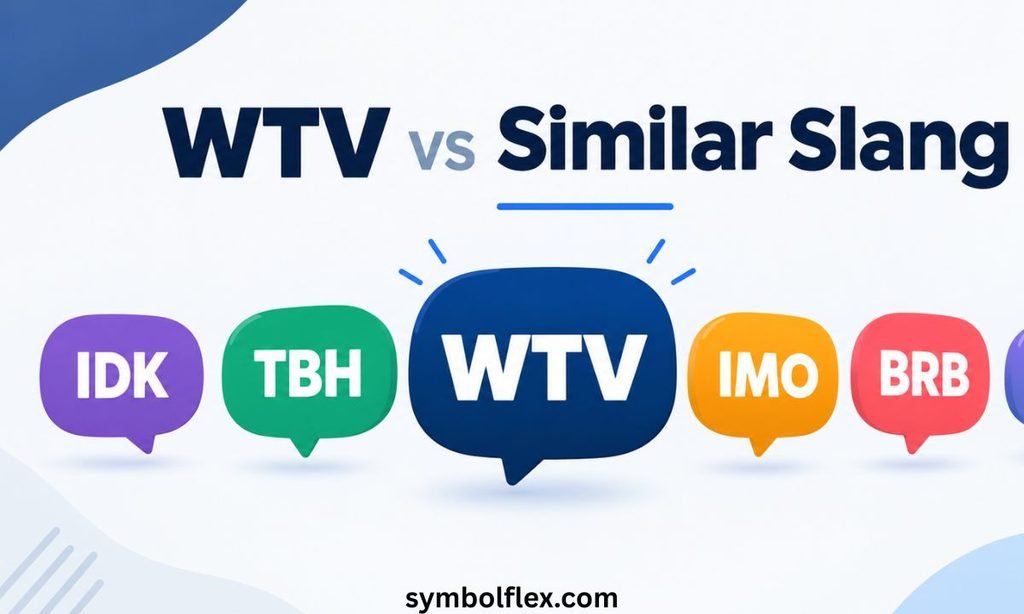
| Term | Core Meaning | Typical Tone |
| WTV | Whatever | Flexible, sometimes annoyed |
| IDC | I don’t care | Often more blunt than WTV |
| NVM | Never mind | Dropping the topic entirely |
| IDK | I don’t know | Genuine uncertainty, not indifference |
The easiest mix-up is WTV versus IDK. WTV is about not caring which option happens. IDK is about not knowing the answer at all. They’re not interchangeable, even though both feel like shrug responses.
Common Mistakes People Make With WTV
- Assuming WTV always means anger. Most of the time it’s neutral or even friendly.
- Confusing it with “I don’t know.” WTV is about indifference, not uncertainty.
- Using it in professional messages. It reads as too casual for work emails or messages to a boss.
- Overanalyzing one short message. A single “wtv” without other context clues doesn’t always deserve a deep read.
- Assuming the same tone applies everywhere. WTV from a close friend and WTV from someone you just met don’t carry the same weight.
Real Conversation Examples of WTV
Choosing food: “Tacos or burgers?” “wtv, both sound good” — genuine flexibility, no tension.
Choosing a movie: “You pick the movie tonight” “wtv you want lol” — relaxed, easygoing.
Ending a small argument: “You always do this” “wtv, forget it” — signals the person is stepping back from the fight.
Being unbothered: “He didn’t text back” “wtv, his loss” — confident indifference, not sadness.
Group planning: “Saturday or Sunday for the trip?” “wtv works for me” — practical, no attitude at all.
A slightly cold reply: “Sorry I’m running late” “wtv.” — the period does a lot of work here, and it likely means mild frustration.
How to Reply When Someone Says WTV
- If they mean “you choose”: Just pick something and move forward. No need to overthink it.
- If they sound annoyed: Give them space, or gently check in with something like “you good?”
- If it comes up during planning: Treat it as a green light and keep the plan moving.
- If you want to keep things playful: Match the energy with something light instead of getting serious.
- If you think they’re being dismissive: Ask a direct question instead of guessing. “Are you actually okay with this?” clears things up faster than reading into one word.
When Should You Use WTV?
WTV works well in casual, low-stakes moments with people who already know your texting style. It’s great for group chats, quick decisions, and lighthearted teasing.
When Should You Avoid WTV?
Skip it in professional emails, messages to teachers or bosses, and any conversation where the other person might already feel like you’re not taking them seriously. In those cases, it can come across as careless even when you don’t mean it that way.
Can WTV Mean Something Else?
Outside of texting slang, WTV also shows up as a file extension for older Windows video recordings, and as an abbreviation used by some local TV stations. In everyday texting and chat, though, “whatever” is by far the meaning people run into.
Related Texting Abbreviations
A few other short replies travel in the same lane as WTV: IDC, NVM, IDK, TBH, and NBD. Each one carries its own shade of meaning, but they all share that same fast, low-effort texting energy.
Final Answer
WTV means whatever, and its real meaning always comes down to context. Read the words around it, the punctuation, and the relationship before deciding if it’s friendly, flexible, or a sign someone’s checking out of the conversation.
Frequently Asked Questions
What does WTV mean in texting?
WTV means “whatever.” It’s used to show flexibility, indifference, or a desire to move on from a topic.
Is WTV short for whatever?
Yes. WTV is simply a shorter way to type “whatever” in fast-paced chats and comments.
Does WTV mean I don’t care?
It can, but not always. It often just means someone doesn’t have a strong preference rather than genuine indifference.
Is WTV rude in a text?
Not by default. It can sound rude when sent alone with no context, but it’s often completely neutral or friendly.
What does WTV mean from a girl?
The same as it does from anyone: whatever. Gender doesn’t change the meaning, only the surrounding conversation does.
