

In text, ING usually means the grammar ending used for ongoing actions, like running or studying. But online, people also use “ing” by itself as internet slang, often to describe someone acting silly, dramatic, or hard to explain without spelling out the full verb.
If you have seen a message like “bro is ing again 😭” and felt lost, you are not alone. This short guide breaks down every common meaning of ING in text, where it shows up, and how to use it without sounding out of touch.
What Does ING Mean in Text?
Most of the time, ING is simply the familiar suffix added to verbs to show an action happening right now. Words like talking, watching, and gaming all use this ending in normal English grammar.
Online, though, “ing” has picked up a second life as standalone slang. People drop it after a name or pronoun without finishing the verb, letting the reader fill in the blank themselves.
- “She’s ing.” (implying laughing, crying, or reacting hard)
- “Why is he ing rn?”
- “The way you’re ing over this 😂”
This playful, unfinished style is part of a bigger trend in internet slang where incomplete grammar becomes the joke itself. The reader is expected to imagine the missing word based on context and tone.
Where Is ING Commonly Used?
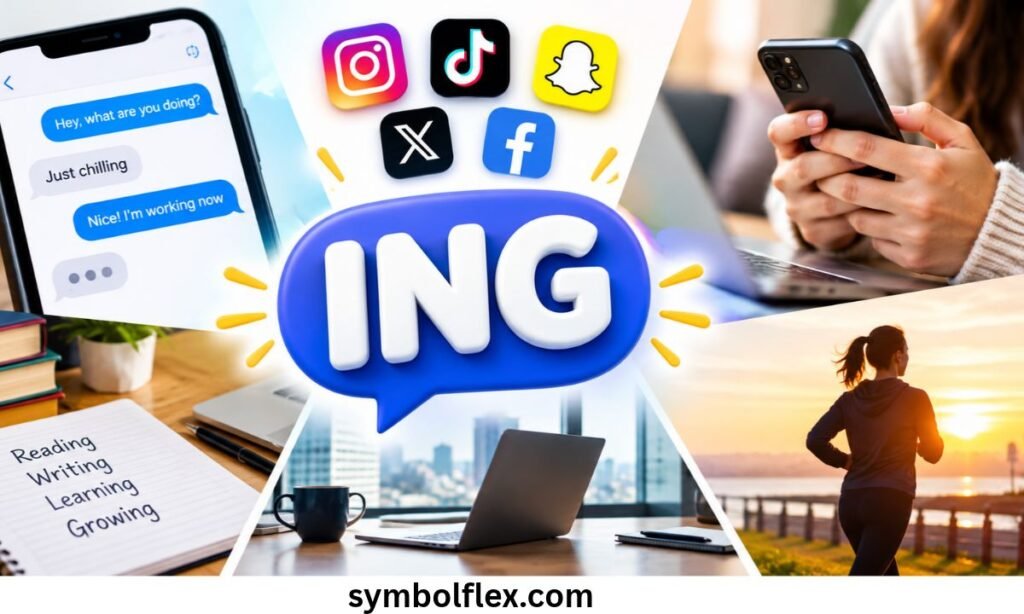
ING as slang thrives in fast, casual spaces where humor and speed matter more than proper grammar. It rarely shows up in formal writing or professional messages.
| Platform | How ING Is Typically Used |
| TikTok comments | Reacting to funny or chaotic videos |
| Twitter/X | Quote-tweeting drama or awkward moments |
| Discord chats | Teasing friends during gaming sessions |
| Instagram captions | Adding humor to a caption or story reply |
| Group texts | Calling out a friend’s behavior playfully |
Tone and Style
The tone behind ING is almost always light and joking rather than serious. It signals familiarity, since it only really works between people who already share inside jokes or meme culture.
Using it with strangers or in formal settings usually falls flat, since the humor depends on shared context. It works best as a quick, low-effort reaction rather than a full sentence.
Examples of ING in Conversation
Here is how the slang version of ING actually looks across different situations, from grammar-correct to full meme mode.
| Style | Example |
| Normal grammar | “I’m studying for my exam right now.” |
| Meme slang | “Bro is ing over a text message lol.” |
| Casual chat | “Not you ing about the weather again.” |
| Gaming chat | “He’s ing after that last-second loss.” |
| Social comment | “The way this creator is ing 😭😭” |
| Playful reply | “Stop ing, it wasn’t that deep.” |
Notice how the slang versions never finish the verb. The missing word is the entire point, and readers are expected to picture something dramatic, funny, or exaggerated.
This pattern mirrors other trends in short-form internet humor, where leaving something unsaid feels funnier than spelling it out. It also keeps messages short, which fits fast-typing chat culture.
When to Use and When Not to Use ING
Knowing when this slang fits helps you avoid awkward moments, especially with people outside your usual friend group.
| ✅ When to Use ING | ❌ When Not to Use ING |
| Texting close friends who know meme culture | Messaging a boss, teacher, or client |
| Reacting to something funny online | Writing a resume, essay, or formal email |
| Gaming or Discord banter | Talking to someone unfamiliar with slang |
| Light teasing between peers | Serious or emotional conversations |
If there is any doubt about whether the other person will understand the joke, it is safer to skip the slang and use a full sentence instead. Misreading tone is one of the most common reasons casual slang causes confusion in group chats or workplace messages.
Other Meanings of ING in Text
Outside of slang, ING has a few completely different meanings that are worth knowing so you do not mix them up.
- Grammar suffix: The standard -ing ending used in verbs like walking or reading.
- ING Group: A well-known Dutch banking and financial services company, often shortened to “ING” in headlines or banking apps.
- Ing.: An abbreviation for “Engineer” used as a professional title in several European countries.
Context almost always makes the meaning obvious. A message from a bank app saying “ING” refers to the company, while a friend texting “he’s ing” is clearly using slang.
Why People Use ING as Slang
This trend did not appear randomly. A few clear cultural habits explain why “ing” caught on so quickly online.
1. It Sounds Funny
Dropping the main verb and leaving just the ending creates an unfinished, almost absurd rhythm. That incompleteness is part of what makes it land as a joke.
2. Fast Typing Culture
Shorter messages fit better with how people text today, especially on phones. Cutting a sentence down to one word keeps the exchange quick and low effort.
3. Meme Language
Internet humor often rewards novel, minimal phrasing over full grammatical sentences. “Ing” fits that pattern the same way other meme fragments do.
4. Relatable Online Behavior
The vague nature of “ing” lets almost anyone relate to it, since the reader supplies their own meaning. That flexibility is part of why it spread across so many different online communities.
Similar Slang Words or Alternatives
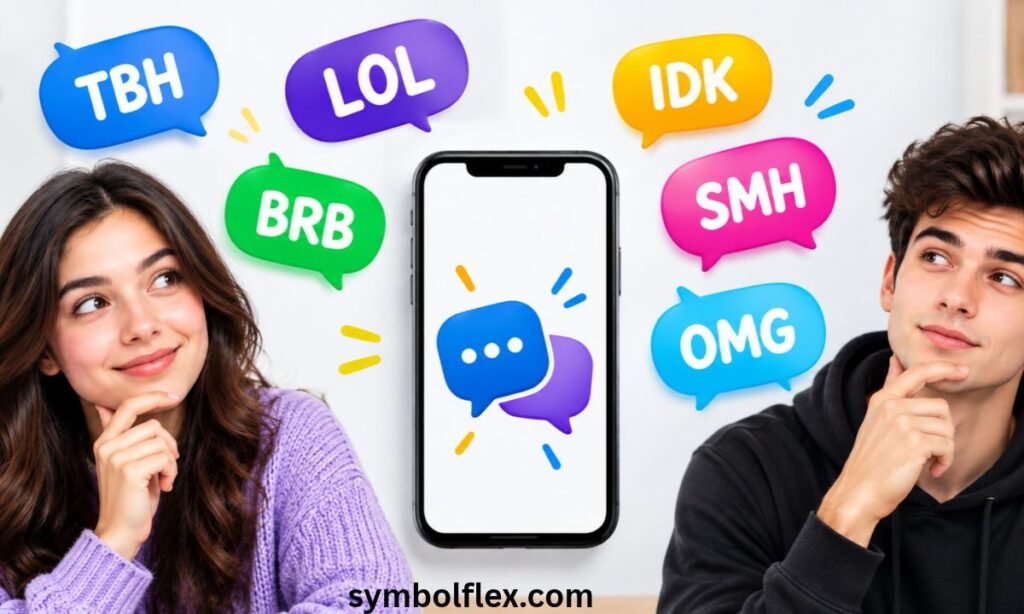
ING is not the only slang term built around leaving something unfinished or exaggerated. These related terms show up in similar situations.
| Term | Meaning |
| “Dying” | Reacting to something extremely funny |
| “I can’t” | Overwhelmed by humor or secondhand embarrassment |
| “Screaming” | Strong reaction, usually positive or shocked |
| “Not me…” | Self-deprecating or ironic confession starter |
| “Bro is cooked” | Someone is in trouble or embarrassed |
These phrases share the same casual, reaction-based tone as ING, and they often appear together in the same conversations.
Is ING Formal or Casual?
ING as slang is strictly casual and should stay inside informal conversations. As a grammar suffix, though, it is completely neutral and appears in every register of writing.
Casual Use
In texts, comments, and group chats, “ing” works as shorthand humor between people who share context. It is not appropriate for professional platforms like email or LinkedIn.
Formal Use
The standard grammar version of -ing is used constantly in formal writing, reports, and essays. There is nothing informal about verbs like analyzing or presenting in professional documents.
Frequently Asked Questions
What does ING mean in texting?
ING usually refers to the grammar ending for ongoing actions, but as slang, it means someone is doing something funny, dramatic, or hard to describe without finishing the sentence.
Is ING an abbreviation?
Not typically in slang form, since it comes from the grammar suffix rather than standing for separate words. However, “Ing.” can be an abbreviation for “Engineer” in some countries.
Why do people say “bro is ing”?
This phrase leaves the verb unfinished on purpose, letting the reader imagine something exaggerated like laughing, panicking, or overreacting. It is a playful way to comment on someone’s behavior without spelling it out.
Is ING formal or informal?
The slang use of ING is informal and belongs in casual chats only. The grammatical -ing ending, on the other hand, is neutral and fits formal writing just fine.
Where is ING commonly used?
It shows up most often on TikTok, Twitter/X, Discord, and in group texts among younger internet users. It rarely appears in professional or academic writing.
Can ING have different meanings?
Yes, ING can mean the grammar suffix, internet slang, the banking company ING Group, or the abbreviation for “Engineer.” Context almost always makes the intended meaning clear.
Final Thoughts
Understanding what ING means in text comes down to context. Most of the time it is just grammar, but in casual chats and memes, it becomes a playful, unfinished joke that depends on shared internet culture.
Before using it, think about who you are texting and whether they will get the reference. Used with the right audience, ING is a quick, funny way to comment on life’s small chaotic moments.
